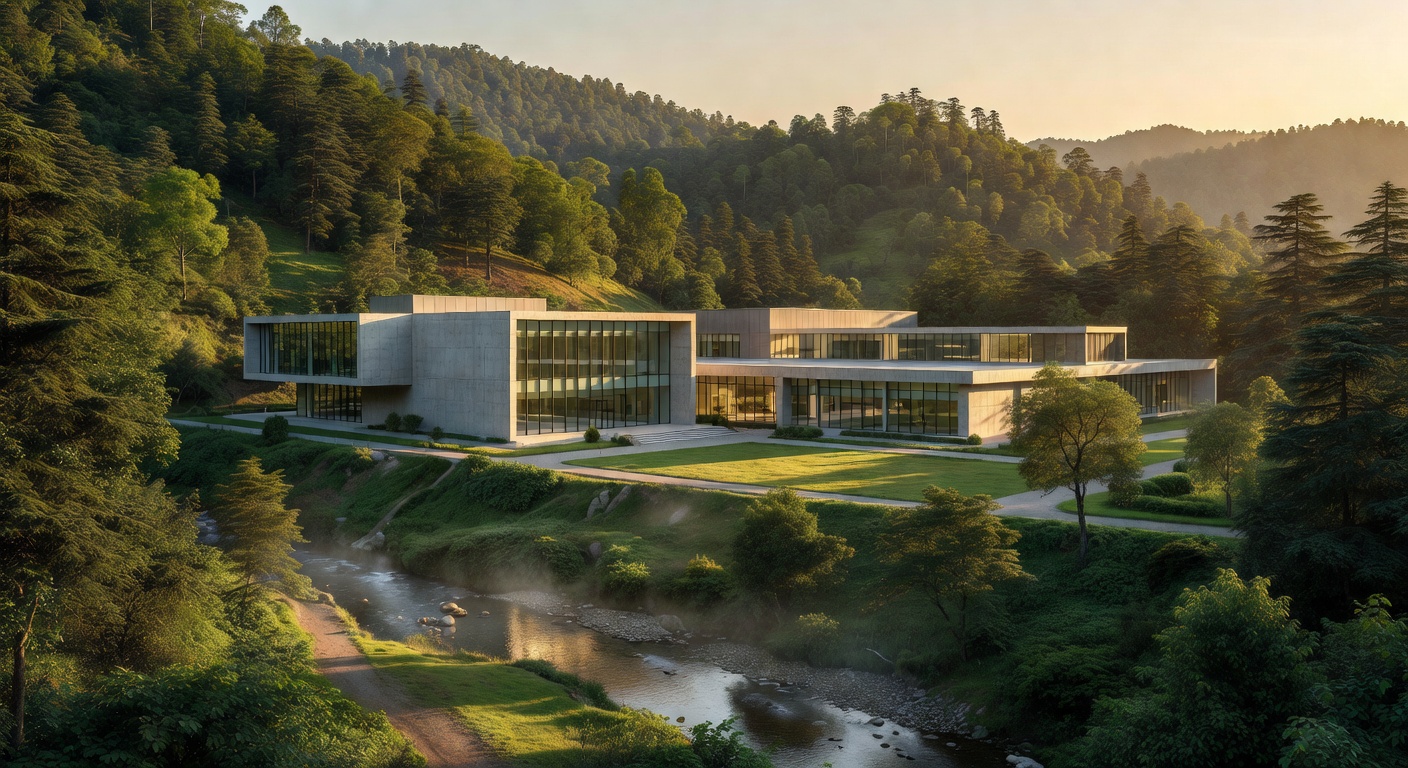
 Nestled in the verdant landscapes of Himachal Pradesh, the picturesque town of Baddi offers far more than its reputation as an industrial hub suggests. Beyond the factories and commercial establishments lies a treasure trove of natural beauty waiting to be discovered by adventurous travelers and nature enthusiasts. The region has recently emerged as an unexpected destination for those seeking authentic trekking experiences away from the crowded tourist circuits of mainstream Himachal.
Discovering the Natural Splendor
Baddi hill trails wind through dense forests, past ancient temples, and across panoramic viewpoints that offer breathtaking vistas of the surrounding valleys. These pathways have remained largely undiscovered by mainstream tourism, making them perfect for travelers who crave solitude and authentic encounters with nature. The terrain varies significantly, accommodating both beginners and experienced hikers looking for challenging adventures.
The biodiversity found along these routes is remarkable. Rhododendron forests bloom brilliantly during spring months, creating a natural corridor of vibrant colors. Baddi hill trails showcase the region’s commitment to preserving its ecological heritage, with several routes passing through protected forest zones where wildlife remains abundant and undisturbed.
The Trekking Experience
For those planning their first encounter with this hidden gem, Baddi hill trails present multiple options ranging from leisurely day walks to multi-day expeditions. The most popular starting point is the village of Nalagarh, which serves as the gateway to numerous trekking routes. From here, adventurers can embark on journeys that take them through terraced agricultural lands, small hamlets, and dense woodlands.
One particularly rewarding trail connects several ancient temples scattered across the hillsides. These spiritual landmarks offer not just cultural insights but also convenient resting spots for trekkers. The architectural styles reflect centuries of history, and many pilgrims still visit these sacred sites regularly. Baddi hill trails that lead to these temples often become more crowded during religious festivals, providing visitors with opportunities to experience local traditions firsthand.
Flora and Fauna Along the Routes
The ecological significance of Baddi hill trails cannot be overstated. The region is home to diverse plant species, including medicinal herbs that have been traditionally used by local communities for generations. During monsoon season, these trails transform into emerald passages as vegetation reaches its peak growth. Bird watchers particularly appreciate the opportunities these paths provide for spotting rare Himalayan species.
Wildlife enthusiasts frequently encounter langurs, wild boar, and occasionally leopards from a safe distance. Baddi hill trails pass through habitats where these animals roam freely, offering genuine wildlife viewing experiences without the constraints of designated sanctuaries. The presence of natural water sources along many routes supports a healthy ecosystem and provides refreshing stops for trekkers.
Seasonal Considerations and Best Times to Visit
The climate varies dramatically across different seasons, influencing the appeal and accessibility of Baddi hill trails. Spring months from March to May bring pleasant temperatures and spectacular floral displays. Summer can become quite warm in lower elevations, though higher altitude sections remain cool and refreshing.
Monsoon rains from June to September increase the risk of landslides on certain routes, but they also rejuvenate the landscape and reduce dust. Many trekkers specifically choose this season to experience the region’s verdant transformation. Baddi hill trails become particularly scenic during post-monsoon months when the air is clear and visibility extends to distant peaks.
Autumn and early winter present ideal trekking conditions with moderate temperatures and stable weather patterns. Late winter months bring occasional snow to higher elevations, adding a different dimension to the trekking experience. However, Baddi hill trails at extreme elevations may become inaccessible during heavy snowfall.
Local Culture and Hospitality
Beyond the natural attractions, Baddi hill trails offer opportunities to interact with local communities whose lives revolve around agriculture and traditional crafts. Village homestays have begun emerging as alternatives to conventional hotels, allowing visitors to experience authentic Himachali hospitality and cuisine. These accommodations often provide home-cooked meals featuring local produce and traditional recipes.
The cultural richness of the region extends beyond food. Local guides familiar with Baddi hill trails can share stories of the region’s history, folklore, and spiritual significance. These narratives add depth to the trekking experience, transforming physical journeys into cultural explorations.
Practical Information for Trekkers
Reaching Baddi hill trails requires planning and preparation. The town is accessible by road from major cities like Chandigarh and Delhi, with regular bus services and taxi options available. Most trekkers spend a night in Baddi town before heading out on trails, using the time to acclimatize and gather supplies.
Essential gear includes sturdy trekking boots, weather-appropriate clothing, and sufficient water supplies. While some sections of Baddi hill trails are well-marked, others benefit from local guide services. These guides not only ensure safety but also enhance the experience through their intimate knowledge of the terrain and local ecosystems.
Accommodation options range from basic mountain lodges to modern guesthouses. Many establishments catering to trekkers have opened in recent years, reflecting the growing interest in the region. Food availability is generally good in main villages, though trekkers undertaking longer expeditions should carry adequate provisions.
Sustainable Tourism Practices
As Baddi hill trails gain popularity, conservation efforts have become increasingly important. Local environmental organizations work to maintain trail conditions while minimizing ecological impact. Visitors are encouraged to follow leave-no-trace principles and respect wildlife habitats.
The emergence of responsible tourism initiatives demonstrates community commitment to preserving the region’s natural and cultural assets for future generations. Supporting local businesses and guides directly contributes to sustainable development in these communities.
Baddi hill trails represent an emerging frontier in Himachal Pradesh’s tourism landscape, offering authentic experiences that celebrate nature, culture, and adventure in equal measure. For travelers seeking to escape conventional tourist destinations, these hidden pathways provide precisely what modern explorers are increasingly searching for: genuine encounters with pristine landscapes and welcoming communities.
Leave a Reply