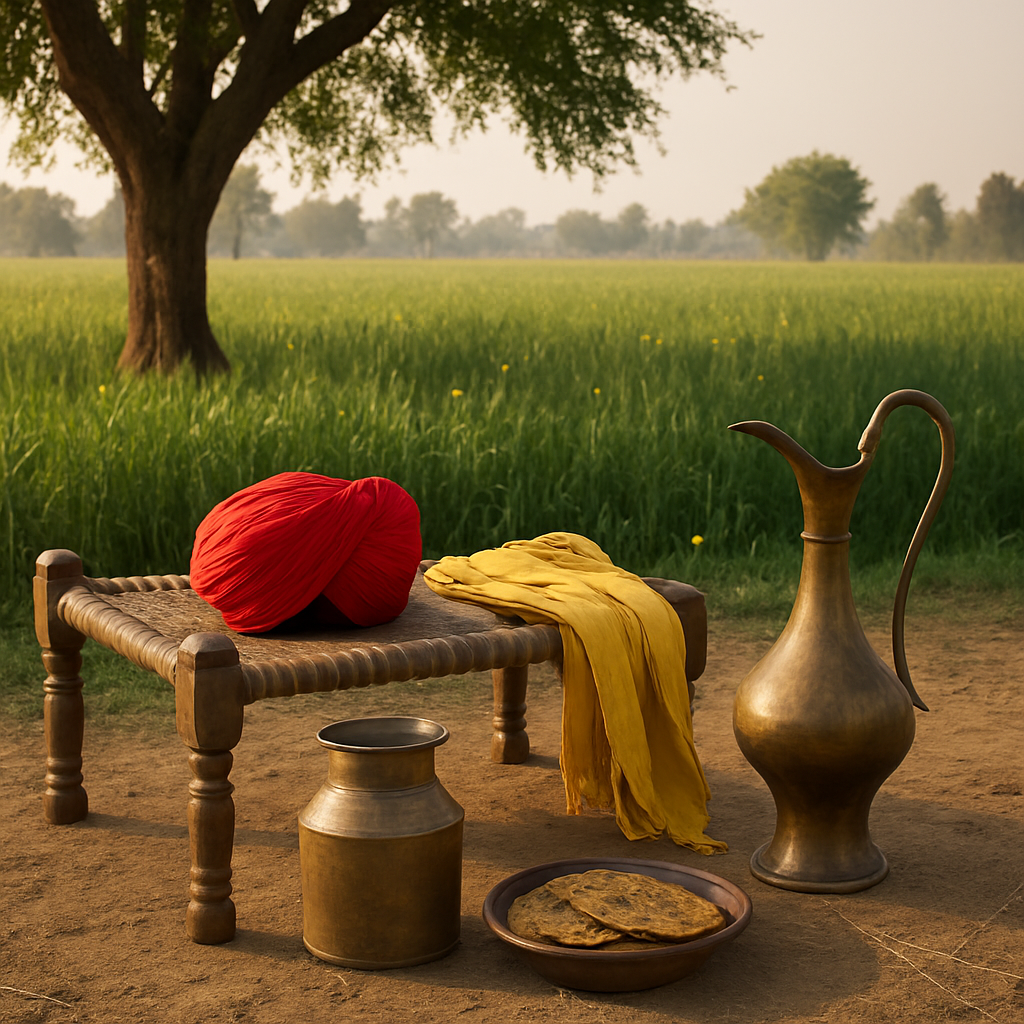
 Bhangra and Gidda are more than just dance forms; they are vital expressions of Punjab’s rich cultural heritage. Originating from the agrarian lifestyle of Punjabi communities, these dances encapsulate the spirit and joyousness of rural life in the region. The beats of the dhol (a traditional drum) and the vibrant movements draw participants and spectators alike into a world of celebration. As part of the broader category of Punjab Folk Dance, these art forms have become symbols of unity, pride, and traditional values.
The exuberance of Bhangra is palpable during festivals and harvests, where it serves as an outlet for communal joy and thanksgiving. Participants typically wear colorful attire, which adds to the visual spectacle of this high-energy dance. With its rhythmic footwork and energetic jumps, Bhangra showcases not only physical strength but also a deep connection to Punjabi culture. This form of Punjab Folk Dance invites everyone to participate, creating an inclusive atmosphere that resonates with people globally.
On the other hand, Gidda represents the female counterpart of Bhangra, emphasizing grace and femininity while retaining a similar spirit of joy. Women often perform this dance in circles, singing folk songs that highlight various aspects of life in Punjab, such as love, friendship, and community bonds. The lively clapping and synchronized movements bring forth a sense of camaraderie among performers. Just like Bhangra, Gidda reflects the essence of Punjab Folk Dance, making it a crucial component of cultural identity.
Both Bhangra and Gidda thrive during significant occasions like weddings, harvest festivals, and celebrations. These events provide an opportunity for members of the community to come together, celebrating their roots through dance and music. The infectious energy found in performances often inspires onlookers to join in, showcasing how influential Punjab Folk Dance can be in weaving social ties within communities.
While Bhangra has gained international recognition, especially in pop culture and music fusion genres, Gidda remains equally important yet less commercialized. Traditionalists emphasize the need to preserve both forms as integral parts of Punjab’s artistic landscape. They believe that without understanding the foundations of these dances rooted in Punjab Folk Dance, one cannot fully appreciate their contemporary adaptations.
Moreover, educational institutions in Punjab strive to keep these traditions alive by incorporating dance workshops into their programs. Youngsters learn the steps of Bhangra and Gidda while also studying the stories behind them, ensuring that the legacy continues to flourish. Such initiatives play a vital role in spreading awareness about the significance of Punjab Folk Dance among younger generations who might otherwise connect more with modern forms.
In global contexts, both dances have been utilized as tools for cultural exchange. Festivals around the world often feature performances showcasing Bhangra and Gidda, allowing foreign audiences to experience the vibrancy of Punjab Folk Dance firsthand. This exposure fosters appreciation for cultural diversity and highlights the importance of preserving such traditions in an increasingly globalized society.
As efforts continue to promote Punjab Folk Dance within and outside India, it’s essential for practitioners and enthusiasts to convey authenticity in every performance. This includes not only mastering techniques but also understanding the historical context that gives depth to each move. Staying true to the roots ensures that future generations will inherit not just a dance style but a complete narrative woven into the tapestry of Punjabi culture.
Bhangra and Gidda serve as powerful representations of what it means to be Punjabi; they embody the spirit, resilience, and creativity of the people. Celebrating these forms enriches understandings of cultural identity while reinforcing social connections through shared experiences. The vitality of Punjab Folk Dance exists not merely in its movements but lives on in the hearts of those who perform and celebrate it across time and space.
Leave a Reply