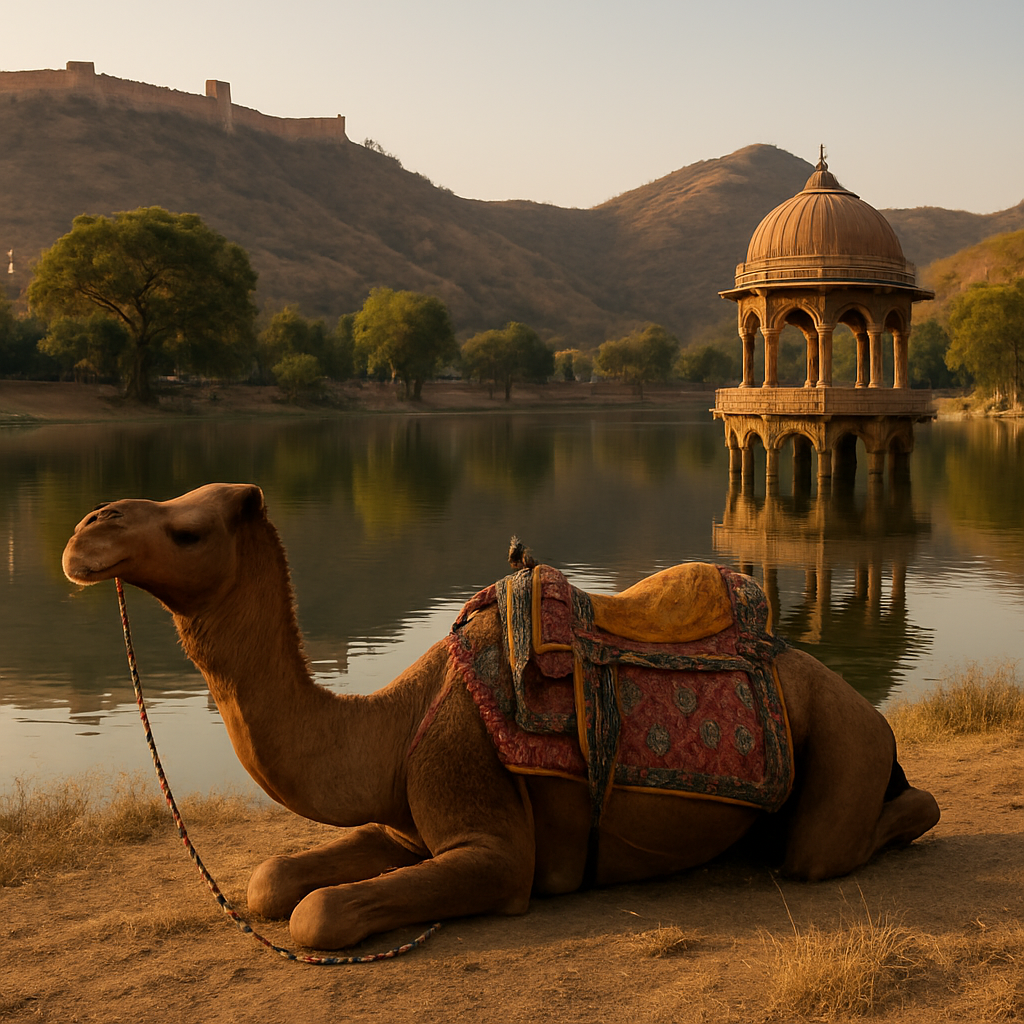
 Rajasthan, with its diverse landscapes and rich biodiversity, offers some of the most remarkable wildlife experiences in India. Among the various options available, Rajasthan wildlife safaris stand out as a thrilling way to explore the region’s natural beauty and unique fauna. From the majestic tigers of Ranthambore National Park to the serene wilderness of Sariska and the expansive skies of Desert National Park, every safari presents an extraordinary opportunity to witness wildlife in their natural habitat.
Ranthambore National Park is one of India’s largest and most renowned wildlife reserves. Known for its tiger population, it attracts nature enthusiasts and photographers alike. A safari here promises encounters with not just tigers but also leopards, sloth bears, and a variety of deer species. The park’s stunning ruins and ancient fortifications add a historical context to the experience. Visitors can expect a blend of adventure and learning during their Rajasthan wildlife safaris in this landscape.
Sariska Tiger Reserve, another jewel in Rajasthan’s crown, offers a different experience compared to Ranthambore. This reserve is characterized by its dry deciduous forests and hilly terrain, making it a beautiful place for a safari. While searching for its elusive tigers, visitors often come across the park’s other inhabitants, such as wild boars, hyenas, and numerous bird species. These aspects make Rajasthan wildlife safaris at Sariska particularly appealing to birdwatchers and those who appreciate diverse ecosystems.
Desert National Park stands apart from typical perceptions of Rajasthan’s wildlife areas. Stretching across vast sandy terrains, it provides a home to several unique desert-dwelling species. Here, you might spot the endangered Great Indian Bustard or the agile Chinkara. The thrill of spotting wildlife against the backdrop of rolling sand dunes adds an exhilarating dimension to Rajasthan wildlife safaris undertaken in this remarkable park.
Beyond just encountering animals, these safaris offer a deeper connection to nature. The guides leading these tours are often local experts who share insights about conservation efforts and the challenges faced by wildlife in changing climates. Such knowledge enriches the safari experience and fosters a deeper appreciation for protecting these dazzling environments.
From luxurious resorts near Ranthambore to eco-friendly lodges in Sariska, accommodation options cater to all kinds of travelers eager to embark on Rajasthan wildlife safaris. Visitors can choose between guided tours that ensure maximum visibility and spontaneous rides that allow for exploration at one’s own pace. Each choice brings different opportunities for discovering what makes each area special.
The best time for Rajasthan wildlife safaris varies; however, many prefer visiting between October and March when temperatures are more moderate, and animal sightings are frequent. Well-planned trips during this season can lead to memorable experiences without the extreme heat that characterizes the summer months. It is advisable for travelers to check seasonal timings and plan accordingly to optimize their chances of viewing various species.
As more people turn towards responsible tourism practices, participating in Rajasthan wildlife safaris presents an opportunity to contribute positively to conservation efforts. By choosing ethical tour operators who prioritize sustainable methods, travelers can ensure that their adventures do not harm the delicate ecosystems they wish to explore. Engaging in responsible travel can lead to a greater understanding of environmental issues while still offering unforgettable experiences.
exploring Rajasthan through its wildlife safaris opens doors to unparalleled encounters with nature. Whether it’s witnessing the majestic tigers of Ranthambore, the tranquility of Sariska, or the unique species inhabiting Desert National Park, each experience promises excitement and wonder. For anyone keen on immersing themselves in the wild heart of India, embarking on Rajasthan wildlife safaris is a journey worth taking again and again.
Leave a Reply